Metals Guide

Know what you are holding.

Physical precious metals are defined by measurable characteristics: metal, weight, purity, form and identifiable ownership.
The Alloy Academy Metals Guide introduces the core terminology used when discussing physical gold, silver, platinum and palladium.

Gold

Gold is traded globally in bars, coins and other physical forms.
Investment-grade products are commonly described by both weight and fineness. A specification such as 1 kg · 999.9 identifies the product's weight and its degree of gold purity.
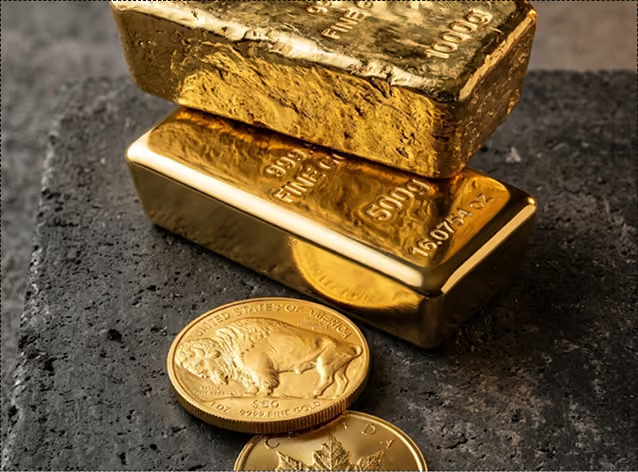
Gold products can include cast bars, minted bars and coins, each with different manufacturing processes and market premiums.
Key concepts
Weight
Fineness
Bar or coin format
Serial identification where applicable
Spot price
Premium
Buy-back spread
Explore Gold Topics in the Learning Hub

Silver

Silver combines precious-metal characteristics with significant industrial demand.
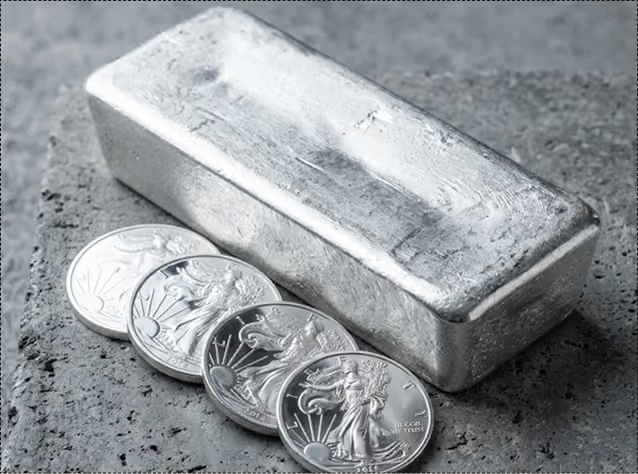
Physical silver is frequently traded in larger bar formats as well as coins and smaller products.
Because fabrication, transportation and inventory conditions differ from gold, the premium on a physical silver product can behave differently from the underlying spot price.
Key concepts
Fine silver content
Bar size
Coin format
Premium over spot
Storage requirements
Industrial demand
Physical availability
Explore Silver Topics in the Learning Hub

Platinum

Platinum is both a precious metal and an important industrial material.
It is commonly associated with automotive, chemical, jewellery and specialist industrial applications.
Physical platinum products are generally identified by weight and high fineness specifications.
Key concepts
Purity
Industrial demand
Physical supply
Smaller market size
Product availability
Premiums
Explore Platinum Topics

Palladium

Palladium belongs to the platinum-group metals and has historically been closely linked to industrial demand.
Its physical market differs in scale and availability from gold and silver, which can affect product selection and premiums.
Key concepts
Industrial use
Supply concentration
Physical availability
Fineness
Premium
Market liquidity
Explore Palladium Topics
Bars and coins
Same metal. Different form.
The metal content may be comparable, but physical form matters.
Cast bars
Cast bars are created by pouring refined metal into a mould. Their surfaces and dimensions may vary slightly from bar to bar.
Minted products
Minted bars and coins typically have more standardized finishes and manufacturing characteristics.
Coins
Coins can carry higher fabrication and distribution costs and may therefore trade at a different premium from larger bars.
Vault receipts
Understand what qualifies as bullion and how physical metal differs from other forms of precious-metals exposure.
The appropriate format depends on factors such as intended holding size, storage, divisibility, availability and eventual liquidation.

Weight

Precious metals are quoted in several standard units.
Common formats include:
1 troy ounce
100 troy ounces
1 kilogram
Product specifications should distinguish clearly between gross weight and actual fine-metal content where relevant.

Purity and fineness

What do 999, 999.9 and 916.7 mean?
Fineness expresses how much of a product consists of the stated precious metal.
999.9
Generally indicates 999.9 parts of precious metal per 1,000.
999
Indicates 999 parts per 1,000.
916.7
A product marked 916.7 contains a lower proportion of the stated precious metal and may use other metals within the alloy.
Purity matters because the value of physical bullion depends on the quantity of actual precious metal present.

Spot, premium and pricing

Pricing mechanics
Spot price
The spot price is a market reference for the underlying metal.
It is not necessarily the final price of a physical bar or coin.
Physical products involve additional factors including fabrication, logistics, inventory, product form and market availability.
Premium over spot
A physical product may be quoted at a percentage or monetary amount above the reference spot price. That difference is commonly called the premium.
Premiums can change independently of spot because they reflect conditions in the physical market.
Factors that may influence a premium
Product format
Metal availability
Fabrication costs
Market demand
Distribution
Order size
Inventory conditions
A lower spot price therefore does not automatically mean that every physical product becomes available at the same relative cost.
Bid and offer
A physical metals desk may quote two prices:
Bid
The price at which the desk is prepared to buy.
Offer
The price at which the desk is prepared to sell.
The difference between them is the spread.
A firm quote applies to a defined metal, product, quantity and period of validity.

Commercial quotes are provided
directly by Alloy Capital
Commodities.